Terrariums are low-cost, low-maintenance items you can create and sell.
If you’re a plant enthusiast who’s thinking about starting a terrarium business, there are a few things to consider. For example, when you’re selling plants online, you need to ship items in protective boxes to prevent damage in transit. You’ll also need creative designs to stand out from competitors.
In this guide, learn everything you need to know to kickstart your terrarium venture, from sourcing supplies to turning a profit.
Table of contents
The terrarium market: a growing opportunity for makers
Consumers are spending more on home décor, and terrariums certainly fall into this category. The indoor plants market, in particular, is valued at more than $20 billion—a figure set to exceed more than $32 billion by 2034.
In addition to rising popularity in recent years, a terrarium business boasts other advantages:
- Terrariums are portable. Portability makes it easy to sell online and offline at markets, pop-ups, and fairs.
- There’s profit potential. Depending on what craft items you already have on hand, the cost to create a terrarium is low, meaning fewer expenses to eat into your earnings.
- You don’t need to be a DIY expert. While terrariums are highly customizable, they include the same basic materials: small plants, soil, and decorative elements such as stones, marbles, or figurines.
How to start a terrarium business in 9 steps
- Define your niche and brand identity
- Create a solid business plan
- Source your supplies and tools
- Master the craft
- Price your terrariums for profitability
- Take stunning product photos
- Set up your online store and sales channels
- Develop a shipping strategy for fragile goods
- Market your terrarium business
1. Define your niche and brand identity
Your niche and brand identity shape everything from who you sell to, how you price your terrariums, and what kind of content you share to promote them.
Start by looking at competitors in the market. What type of consumers do they serve? What’s their terrarium’s unique value proposition? Work backward from what you find to choose a profitable niche.
For example, you could start a terrarium business that targets consumers who care about sustainability, using recycled glass and plastic-free packaging. Or, you could go the luxury route and design terrariums with premium plants and a higher markup.
Whichever niche you choose, show off your design skills and personality to differentiate your terrariums. Combined with a strong, consistent brand identity—colors, fonts, and tone of voice—this kind of differentiation will help you stand out.
2. Create a solid business plan
Your retail business plan is the framework for your new terrarium business. It clarifies what you’re selling (and to whom), the startup expenses associated with your new store, and how you’ll make money.
Core components of a business plan include:
- Executive summary. A brief overview of your new business, including mission statement, goals, and business model.
- Company description. A detailed summary that explains what you do, the customer needs you solve, and what differentiates your terrariums.
- Market analysis. Data showing the terrarium market size, competitor positioning, and future trends. You’ll also detail your buyer persona here, including their pain points and purchasing motivations.
- Marketing plan. The promotion strategies and sales channels you’ll use to promote your terrariums. For example, you might use social media storefronts to reach your target audience and convert them in-app.
- Sales plan. Goals, strategies, and channels for reaching new customers. These can include direct-to-consumer selling (for example, through your ecommerce website and retail store) and business-to-business selling (to other retail partners).
- Competitive analysis. A SWOT analysis detailing your competitors’ strengths, weaknesses, opportunities, and threats. Highlight what sets your business apart from theirs—whether that’s outstanding customer service or personalized terrariums.
- Organizational structure. The team you’ll employ to run your plant business. Include the management team and staff positions you’ll hire. If a retail store is part of your business plan, for example, you’ll need to fill roles such as store managers, cashiers, and customer service associates.
- Products and services. Details of the terrariums you’ll sell, including the quality, price range, and any unique features. Also consider add-on services, such as terrarium workshops you can host to increase revenue.
- Operating plan. How you’ll manage day-to-day operations such as production processes, staff training, customer interactions, and retail store layout.
- Financial plan, including funding sources. Detail the startup costs for launching your business, such as seller’s permits, business licenses, and retail insurance. Include revenue projections and funding requirements—for example, bank loans or grants—to cover any gaps.
3. Source your supplies and tools
While every terrarium is a little different (that’s part of their charm), they generally require the same basic materials.
Gather all the materials you’d like to include in yours, including:
- Glass containers
- Drainage layers, such as gravel, potting soil, or activated charcoal
- Plants, for example, cacti and succulents
- A hot glue gun
- Trowels
- Tweezers
- Glass cleaners
It’s inexpensive and relatively easy to acquire these materials, especially if you source them in bulk from a wholesaler. You can purchase a variety of glass containers online in every imaginable shape and size and store them in your retail stockroom before assembling each terrarium.
4. Master the craft
Terrariums are unique because there’s no single optimal method for building one. You have the creative freedom to personalize your creation with different plants, glass containers, stones, or figurines—all of which help your products stand out from competitors.
To build your own terrarium:
- Choose a container. Glass works best because it allows light to reach the plants.
- Add a drainage system. Pour small rocks or pebbles at the bottom to prevent waterlogging.
- Layer charcoal. A thin layer of activated charcoal keeps water fresh and prevents odor.
- Add soil or substrate. Use a mix suitable for your plants (succulent soil for cacti; regular potting soil for ferns).
- Plant your greenery. Arrange small plants, moss, or decorative items. For small containers, it’s easier to do this with tongs and tweezers.
- Maintain the terrarium. Mist as needed, check for mold, keep out of direct sunlight, and trim plants as they grow. Be cautious about overwatering—because air can’t escape, excess moisture can be trapped inside the container, causing mold.
Remember that while closed terrariums are popular, you can also sell open ones, particularly if the foliage inside thrives in open air.
Here’s a great example from ome:
5. Price your terrariums for profitability
Once you’ve built a terrarium to sell, calculate the direct costs of making it. This is known as your cost of goods sold (COGS) and includes items such as the glass container, plants, soil, and labor used to make your terrarium.
From here, you can apply your desired profit margin to calculate your retail price. Per Stern NYU, the average gross profit margin for general retailers sits around 32%. This leaves room to account for other indirect expenses such as rent, marketing, and insurance.
Let’s say, for example, that the COGS to create your terrarium was $20. Your ideal profit margin is 35%, just a bit above average, so you use a profit margin calculator to get a retail price of $27.
6. Take stunning product photos
Terrariums are visual and creative products, and a good selection of product photography styles is essential for conveying this. As your business grows, combine traditional stock imagery (terrariums against plain white backgrounds and lifestyle shots (terrariums styled in homes) with user-generated content posted by your customers to add an extra layer of social proof.
Best practices for taking high-quality product images include:
- Use natural light by photographing in front of a large window.
- Shoot the terrarium from multiple angles, for example, at eye level and a bird’s eye view.
- Learn basic photo editing techniques, such as cropping and color correction.
- Combine different products to upsell more expensive terrariums or product bundles.
London Terrariums shows its cylinder-shaped terrarium against a white backdrop to make the plants stand out. It also bundles multiple terrariums to show the effects a customer can achieve when buying several.

Even if you sell predominantly in-store, you’ll need high-quality product photography to use in retail marketing campaigns. Display your photos on in-store signage, marketing emails, and in window displays to drive foot traffic to your store.
7. Set up your online store and sales channels
Your sales channels will facilitate terrarium sales. Include a selection in your sales plan to balance out the pros and cons of each one:
- Online store. Sell your terrariums to anyone, anywhere, with an ecommerce website. You have ultimate control over the brand experience and collect first-party customer data that you can use for retargeting.
- Social media. Use visual social media platforms like Instagram, TikTok, and Pinterest to promote your products. Enable in-app checkout—for example, by syncing your inventory with TikTok using Shopify—to let followers watch your videos and buy terrariums without leaving the app.
- Marketplaces. Etsy is the first port of call for some customers searching for indoor plants. List your products here to capture those users, but keep your online store open to offset the commission fees they take from each sale.
- Retail. Because terrariums are small and travel well, consider selling your tiny gardens at markets and fairs. Setting up a market booth or a pop-up shop gives you the chance to test products on the public and get live feedback without having to shell out high rental rates for a stationary storefront.
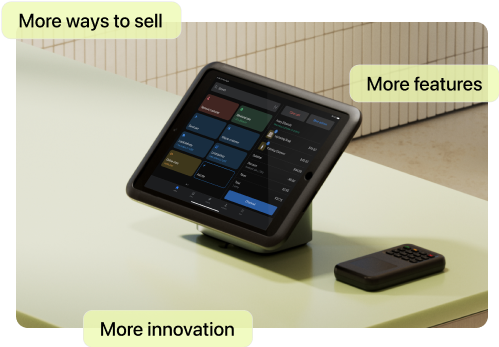
💡Tip: Experiment with in-person sales with Shopify POS. The Tap To Pay feature, in particular, turns your smartphone into a credit card reader—no extra hardware required.
8. Develop a shipping strategy for fragile goods
Because they’re made with glass and can break easily, terrariums require special shipping.
Implement these practices to prevent products from arriving at your customer’s house damaged:
- Use fragile stickers. These tell shipping couriers to handle the package with care, reducing the risk of drops or rough handling.
- Choose the right box size. Too much space allows the terrarium to shift and crack, while too little increases pressure on the glass. Consider using flat-rate shipping boxes, which also help you calculate delivery costs and maintain profits, especially if you’re offering free shipping.
- Add protective materials. Protective padding—think bubble wrap, shredded paper, or air cushions—absorbs shocks and vibrations, which protects the glass and plants from impact damage.
9. Market your terrarium business
This is where the marketing plan section of your business plan comes to fruition. Spread the word about your new products through the following marketing channels:
- Social media. Use TikTok, Instagram, and Pinterest to provide behind-the-scenes glimpses at how you created your terrariums. As you acquire customers, repost their content to your own social media accounts to ease the burden of constantly creating new material.
- Email marketing. Collect email addresses in-store through pop-ups, giveaways, or email carts. Segment subscribers and offer personalized, exclusive deals—for example, people within a five-mile radius of your next pop-up could get a tailored invitation to join, perhaps with 10% off their purchase at the event.
- Local marketing. Create local landing pages for your retail location that target phrases like “terrariums in New York” or “indoor plant shop Chicago.” Combine this with local advertising to reach potential plant customers within a certain radius of your store.
- Experiences and events. Consumers don’t just want products—almost two-thirds find a positive experience with a brand more influential than great advertising. Host terrarium workshops or classes to drive customers towards your store.
Starting a terrarium business FAQ
How much does it cost to set up a terrarium?
The cost to create terrariums depends on size, complexity, materials, and whether you do it yourself or buy a kit.
How to get started making terrariums?
To make a terrarium:
- Pick a container
- Choose a drainage system
- Add charcoal to prevent mold
- Add soil and plants
- Decorate the terrarium
- Water and maintain the plants
How much to sell terrariums for?
Prices can range anywhere from $50 to more than $300. To calculate your retail price, add up the costs of creating your terrarium and apply your desired profit margin.
Can you make money selling succulents?
You can make money selling succulents since they’re low-cost to grow, easy to ship, and often in demand for gifts and home décor. Profits depend on the type of terrariums you’re creating, your target market, and sales channels.